How to Maintain a Healthy Weight During Ramadan
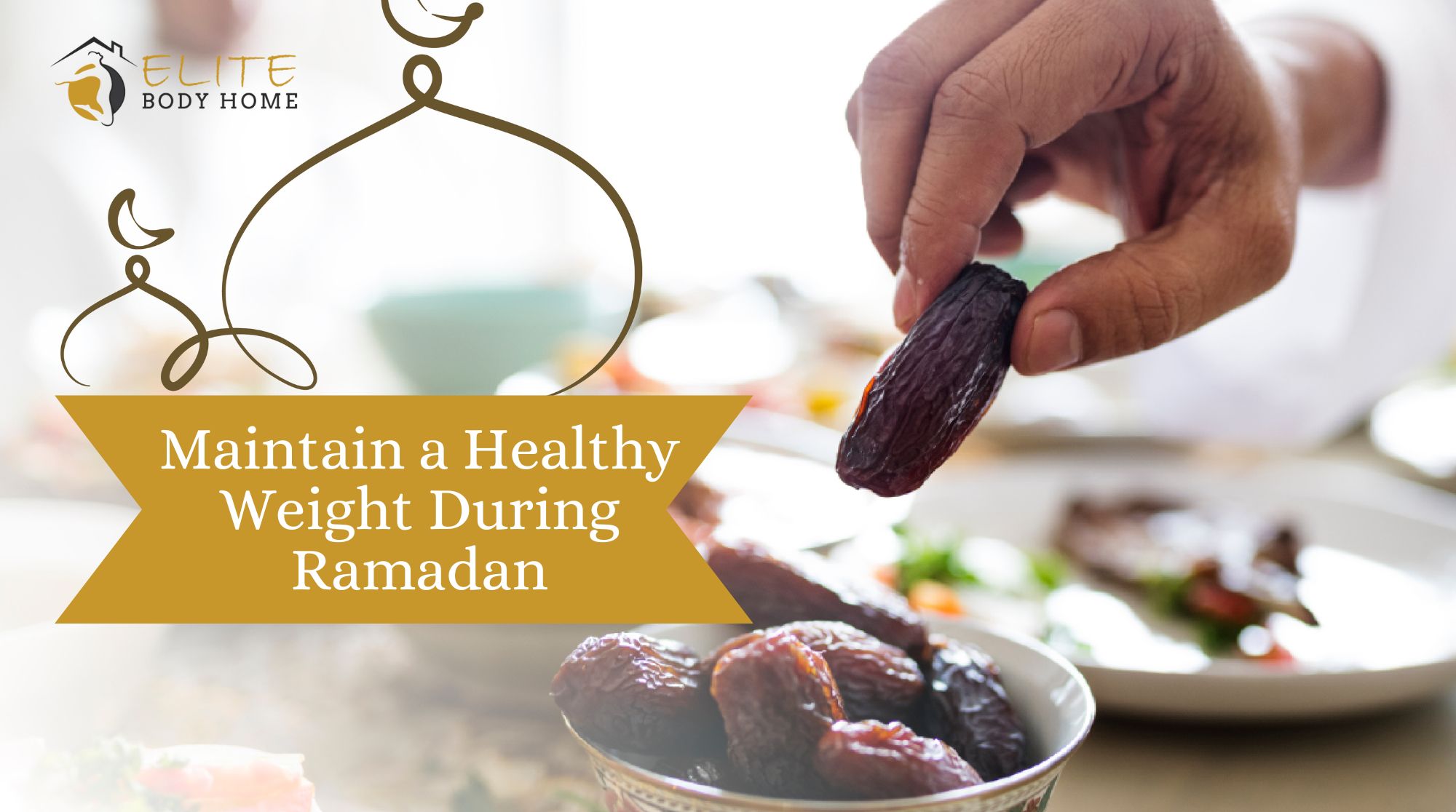
Ramadan is the ninth month on the Islamic lunar calendar, a holy-month of fasting, prayer and discipline observed by millions of Muslims around the world. The 29 to 30 days of fasting is then marked each day from dawn (suhoor) to sunset (Iftar). But the changes to your eating habits in Ramadan can make it hard to keep your weight in check. Some cause their increase in weight because of high-calorie Iftar meals, but others may lose weight, albeit in an unhealthy way. The trick is to strike the right balance. Follow the right approach, and you’ll stay healthy, active, and achieve your weight management goals while during Ramadan. In this blog, we will take a look at medically approved methods, foods and modern weight loss injections you can use to keep your body in prime weight during the fasting period.
Ramadan: A Time for Reflection, Renewal, and Generosity
Ramadan is the ninth month on the Islamic lunar calendar, a holy-month of fasting, prayer and discipline observed by millions of Muslims around the world. The 29 to 30 days of fasting is then marked each day from dawn (suhoor) to sunset (Iftar), but the changes to your eating habits in Ramadan can make it hard to keep your weight in check. Some cause their increase in weight because of high-calorie Iftar meals, but others may lose weight, albeit in an unhealthy way.
In this blog, we will take a look at medically approved methods, foods and modern weight loss injections you can use to keep your body in prime weight during the fasting period.
Ramadan comes slightly earlier each year, as the Islamic calendar follows the lunar cycle. Ramadan is expected to start on March 1, 2025.
Fasting in Ramadan is obligatory for every healthy adult Muslim, with the exception of those people whom might be at risk: people suffering chronic diseases, pregnant and breastfeeding women, and people with diabetes.
The month ends with Eid-ul-Fitr, a merry festive celebration of prayers, gatherings and the first day meal after a month of fasting.
How Fasting Affects the Body?
When fasting, your body makes physiological changes in order to conserve energy:
Daytime: Energy is derived from the stored glycogen and fat reserves.
Maintenance of Hydration: When water intake is low, the body conserves fluids by minimizing urine production, while water loss continues via sweat, breathing, and digestion.
Metabolic Changes: Extended fasting can increase metabolism, lower inflammation, and enhance insulin sensitivity.
Health Benefits of Fasting
When done correctly, fasting has numerous health benefits:
Insulin Sensitivity: Imperative to maintaining blood sugar balance and improving how we process insulin, decreasing the likelihood of insulin resistance.
Enhances Sleep Quality: Reducing sleep disturbances through mindful eating and a proper diet before sleep helps to enhance focus and energy.
Strengthens Immunity: When coupled with a nutrient-dense diet, fasting encourages cell regeneration and the removal of toxins while enhancing the immune system.
Creating a Balanced Diet During Ramadan
To maintain health and energy levels, it is crucial to eat a balanced diet during Suhoor and Iftar. Nutritionists recommend including the four major food groups:
Keep you energized during the day.
📌 Examples: Brown rice, whole wheat bread, oats, quinoa, sweet potatoes, lentils.
Help maintain muscle and keep you feeling full for longer.
Examples: Chicken, fish, turkey, lentils, chickpeas, beans, tofu, Greek yogurt, eggs.
Rich with fiber, vitamins and antioxidants for digestion and hydration.
Examples: Watermelon, Oranges, Cucumbers, Spinach, Kale, Lettuce
Help vitamins absorb and provide long-lasting energy.
Examples: Avocados, nuts, seeds, olive oil, coconut oil.
Foods to Limit or Avoid During Ramadan
- Processed foods (chips, fast food, fried snacks)
- Sugary drinks & desserts (sodas, pastries, sweetened juices)
- High-sodium foods (processed meats, salty snacks)
Why Do People Struggle with Weight During Ramadan?
The month of Ramadan drastically changes people’s eating methods. Here are some common difficulties:
Eating Too Much at Iftar: Consuming extra fried foods, sweets, and high-calorie meals cause weigh gain.
Dehydration: Not drinking enough water hinders metabolism and leads to bloating.
Neglecting Suhoor: Skipping the pre-dawn meal will slow the metabolism and cause the body to lose muscle instead of fat.
(Inactivity: Hours of inactivity and intermittent fasting can minimize calorie expenditure.)
These challenges can be countered by a targeted diet plan to lose weight and convenient mindful eating habits.
You Can Also Read: Is Brown Bread Healthy for Weight Loss?
Smart Eating Tips for Weight Control During Ramadan
Break your fast with something light at Iftar, wait about 15 minutes to 20 and check how hungry you really are before eating more.
Between Iftar and Suhoor, drink 2-3 liters of water, and steer clear of caffeinated and sugary drinks that dehydrate you.
Protein keeps muscle mass intact, and fiber helps you digest food and prevents bloating.
- Control Portion Sizes
- Use smaller plates and divide your plate so that 80% of it contains nutritious foods and the remaining 20% contains treats that you enjoy occassionally.
- Exercising (walking, yoga, body weight workouts) keeps the metabolism going.
- Workout Timing: After Iftar: As it will prevent de-hydration.
- Opt For Healthy Snacks Between Iftar And Suhoor
- Mankoushe with laban
- Fruit cocktail juice and hummus
- Cheese sandwich with milk
Sugar-induced "mountain gremlins" will be common after the nutritious snack, so eat sweets only after.
- Limit Sugar Intake
- Eat less sweets and include fewer sweetened drinks.
such as homemade smoothies, mashed avocados, or a glass of infused water.
- Reduce Caffeine Consumption
- Coffee, tea and cola increase urine output and therefore cause dehydration.
How to manage sleep in Ramadan? Gradually cut down on caffeine intake before Ramadan to reduce the withdrawal symptoms.
Read Also: Sirtfood Diet: A Complete Meal Plan for Weight Loss and Wellness
Medical Support for Weight Management During Ramadan
Medical treatment can also help people who find it hard to control their weight. In Dubai, a lot of people turn to professional guidance, top dietitians, and weight loss treatment for assistance.
Here at Elite Body Home Polyclinic, we provide tailor made solutions to help you achieve a healthy weight during Ramadan:
- Recent advancements in weight loss injections in Dubai, such as Mounjaro Injection and Ozempic injections, work to reduce appetite, curb cravings and support sustainable fat loss.
- Weight loss IV dripis a mixture of vitamins, minerals, and amino acids that can help people lose weight.
- A personalized diet chart guarantees a diversified nutrition intake that aids your Ramadan fasting program.
Popular Myths About Ramadan Weight Loss
MYTH 1: Fasting = Instant Weight Loss: Fasting without a proper diet may cause muscle degradation instead of effective fat loss.
Myth 2: If You Skip Suhoor, It Will Help You Lose Weight: In the absence of Suhoor, metabolic rate is reduced and this contributes to increased appetite in Iftar which ends up leading to over consumption.
MYTH 3: The Best Way to Lose Weight is by Eating Less: Restricting calories to an extreme could lead to nutrient deficiencies and metabolic slowdown.
Final Thoughts
The key to maintaining a healthy weight during Ramadan is balance. You can fast healthier by adopting mindful eating habits, keeping hydrated and doing light exercises.
Eat your body well with smart health choices this Ramadan, without forgetting the deep meaning behind fasting.
FAQS
Is Ramadan healthy?
Fasting during Ramadan can be healthy if done correctly. It helps detox the body, improves discipline, and may support better digestion and blood sugar control. However, overeating at iftar or suhoor, lack of sleep, and dehydration can reduce these benefits.
How can I stay healthy during Ramadan?
Stay hydrated between iftar and suhoor, eat balanced meals with protein, fiber, fruits, and vegetables, avoid fried and sugary foods, and get enough sleep. Light exercise after iftar helps digestion and overall wellness.
How to have more energy during Ramadan?
Eat a nutritious suhoor with complex carbs, protein, and healthy fats (like oats, eggs, nuts, fruits). Drink plenty of water, avoid caffeine and sugary foods, take short naps if possible, and rest during the day to conserve energy. Eat in moderation as encouraged in Islam: avoid overeating at iftar, choose whole foods instead of fried snacks, and control portion sizes. Include lean proteins, vegetables, and whole grains. Stay active with light exercise and hydrate well to support weight balance.