Seven Skin Concerns to Discuss Before Pico Laser

Pico laser uses short light pulses for selected pigment, tattoo and skin-texture concerns. Suitability and response depend on the diagnosis, device, wavelength, skin tone and settings; no single device treats every concern safely or completely.
Which skin concerns might be discussed before pico laser?
Pico laser may be discussed for selected pigmentation, acne-scar, texture or tattoo concerns, depending on diagnosis and the device. Short light pulses do not eliminate heat, inflammation or injury risks. Melasma can recur or worsen with procedures, and neither complete scar removal nor full tattoo clearance can be promised.
When it comes to skincare in Dubai, we are often overwhelmed by choices. Should you get a peel for your spots? Microneedling for your scars? A facial for your dullness?
Different skin concerns need different assessments, even when the same type of technology may be considered.
At Elite Body Home Polyclinic, an assessment may include discussion of Pico Laser for selected pigment or texture concerns. It delivers short light pulses; a photo-acoustic effect does not make it free of heat, inflammation or skin-injury risk.
Here are the seven skin concerns that Pico Laser in Dubai may be discussed for, depending on the diagnosis and device.
1. Stubborn Pigmentation & Sun Spots
Living in the UAE means constant exposure to strong UV rays. Over time, this leads to sun spots (solar lentigines) and uneven patches of brown pigment.
- How Pico Helps: A suitable wavelength can target pigment, but response and risks vary. Pico technology is not automatically faster or safer than every other approach to pigmentation removal.
2. Melasma
Melasma can be influenced by hormones and light exposure and may recur. Some procedures can worsen pigmentation, so diagnosis and an individual plan are important.
- How Pico Helps: Pico laser delivers short light pulses that may produce a photo-acoustic effect. This does not guarantee an absence of inflammation or suitability for every melasma case. Discuss the risks and alternatives for melasma treatments in Dubai.
3. Acne Scars (Rolling & Boxcar Scars)
For many, the acne itself is temporary, but the scars last a lifetime. Traditional treatments for scarring can be painful with long downtimes.
- How Pico Helps: Some fractional picosecond systems use specialized optics to produce localized tissue effects, sometimes described as LIOB. These may support remodeling that improves the appearance of acne scars, but they do not guarantee complete filling or removal.
4. Enlarged Pores
Large pores are often caused by a loss of skin elasticity or clogged debris.
- How Pico Helps:A suitable treatment may improve texture and the appearance of pores in some people. It does not permanently close pores or guarantee a glass-skin finish.
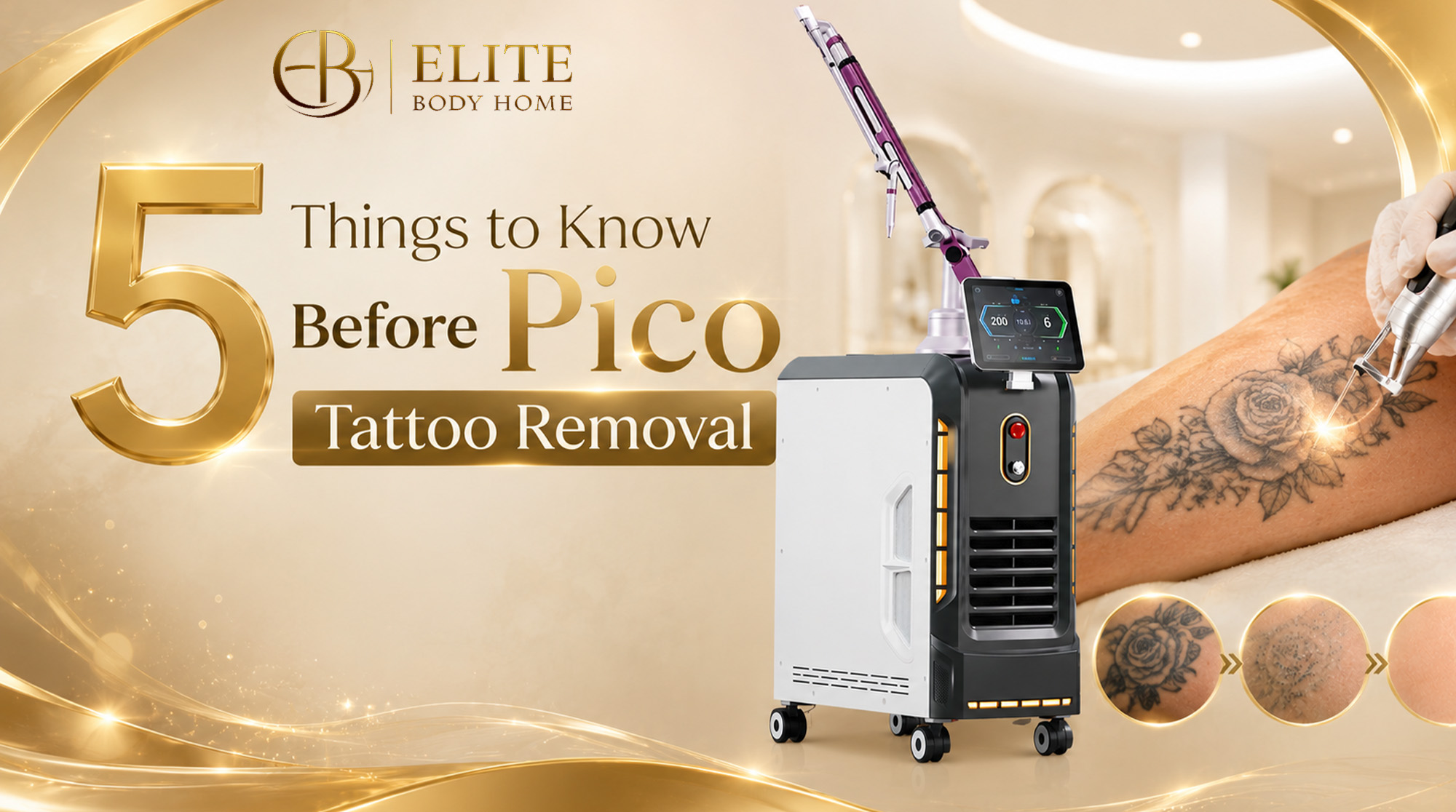
5. Tattoo Removal
Picosecond devices are among the technologies used for laser tattoo removal.
- How Pico Helps:Tattoo response depends on ink colour, depth, size, skin and laser wavelength. Several sessions may be required, and some colours are difficult to remove. Fewer sessions or complete clearance cannot be promised.
6. Fine Lines & Early Signs of Aging
You don't always need Botox or fillers to look younger. Improving the quality of your skin canvas makes a huge difference.
- How Pico Helps:Selected treatments may improve fine lines and skin texture. The result depends on the device, settings and skin; it is not equivalent to the effects or indications of injectable treatments.
7. Uneven Skin Tone & Dullness
Dull or uneven-looking skin may have several causes, including irritation or pigment changes. Assessment helps identify the appropriate approach.
- How Pico Helps:Discuss whether a pigment-focused or texture-focused procedure is suitable. Pico laser should not be described as a general exfoliation or circulation-boosting treatment.
Also Read: Skin Pigmentation Treatments in Dubai
Why Choose Elite Body Home Polyclinic?
Treating specific skin conditions requires more than just a machine; it requires expertise. At Elite Body Home aesthetic clinic, our DHA-licensed doctors customize the wavelength and intensity of the Pico Laser to match your specific concern.
We don't believe in a "one setting fits all" approach. Whether you are treating a single sun spot or full-face acne scarring, your protocol is tailored to you.
- Device Information: Ask for the device name, its relevant indications and local registration rather than assuming every pico device has the same approval.
- Safety First: Planning should address rebound pigmentation and other complications; these risks cannot be eliminated.
- Comfort: Ask about cooling, pain relief and likely discomfort for the proposed procedure.
Book Your Skin Assessment Today Not sure which concern to tackle first? Let our experts analyze your skin and create a personalized plan.
Frequently Asked Questions (FAQ)
Can Pico Laser treat active acne?
Pico Laser is primarily for scars and pigmentation. Active acne requires its own assessment; reduced oil production or inflammation should not be assumed from any pico procedure. The clinician may recommend a different or combined approach.
Is it safe for darker skin tones?
An individual assessment is necessary. Short pulses do not eliminate burns or pigment changes. The skin tone, diagnosis, wavelength, device and settings all matter.
How long does it take to see results for pigmentation?
Superficial spots may improve gradually, but a fixed 7–10 days response after one session cannot be guaranteed. Melasma may need ongoing management, can recur and does not always respond to laser treatment.
Can I remove a tattoo completely?
Some tattoos can be substantially lightened, but complete removal is not always possible. The colour, depth, age and size of the tattoo, skin response and device determine the treatment plan and risks.