Pico vs Other Lasers: Comparing Treatment and Recovery
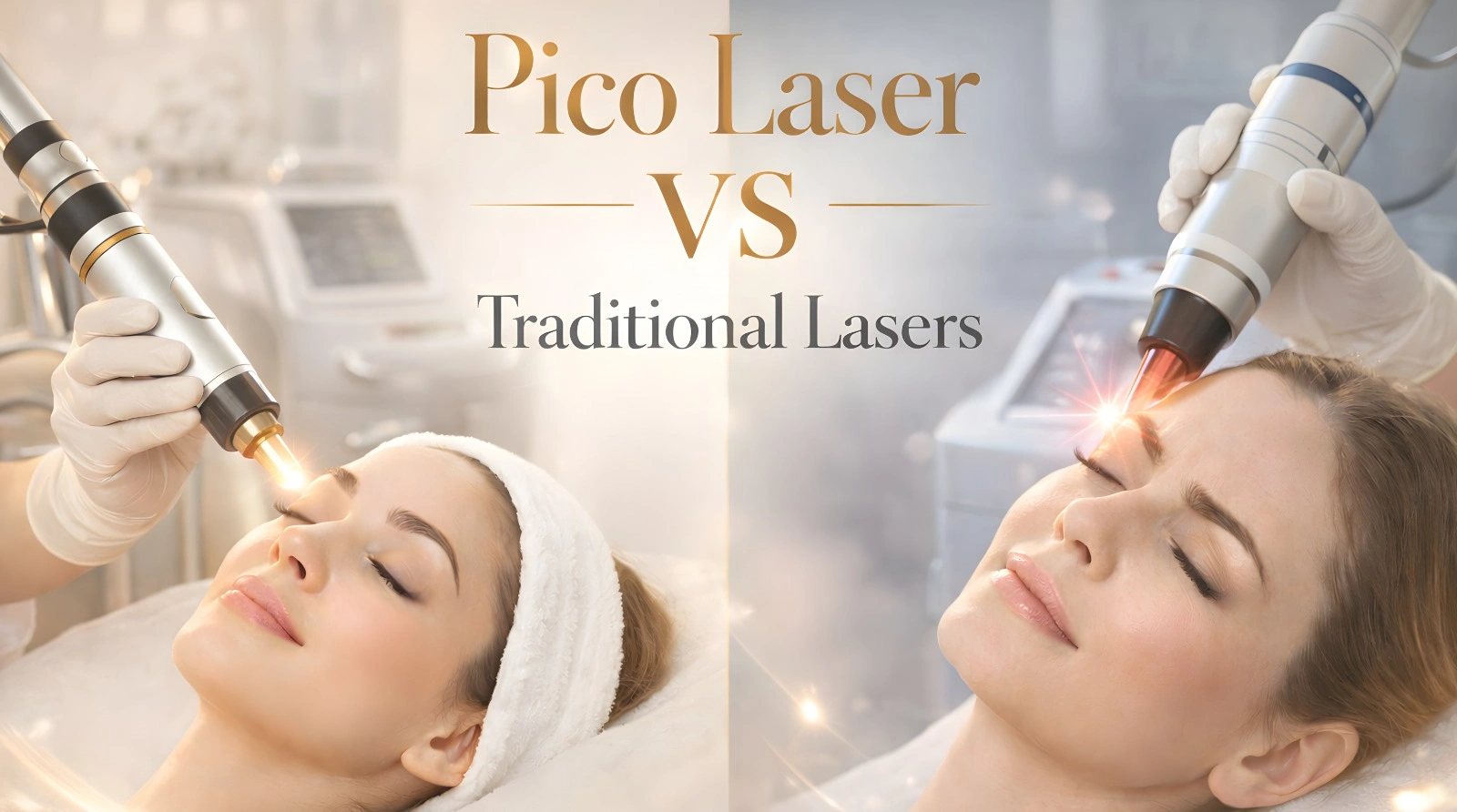
Compare Pico and other laser technologies by skin concern, device, recovery and risks. Understand why the exact laser and assessment matter more than a label.
Is Pico laser better than other laser treatments?
Pico laser uses very short pulses, but that does not make it universally better than other lasers. Compare the actual device, settings, diagnosis and skin characteristics rather than a broad label such as traditional laser. Potential benefits, pigment changes and recovery differ, and improvement after a single session is not guaranteed.
Is Pico laser better than another laser? There is no single answer for every skin concern. “Traditional laser” covers different technologies, and the exact device, settings, diagnosis and skin affect treatment and recovery. This guide compares those factors so you can discuss an appropriate option rather than assuming newer means better.
Traditional laser is a broad label covering ablative and non-ablative technologies. Tissue effects and recovery depend on the device and settings; redness and irritation may need aftercare and sun protection.
In contrast, the Pico Laser uses very short pulses and may suit selected concerns, but it is not universally faster, safer or more comfortable than every other laser.
Understanding Laser Skin Treatments
Choosing treatment requires understanding the specific device. Many lasers use photothermal (heat) effects to target pigment or tissue. Effects on surrounding skin and recovery depend on the laser, settings and skin.
What Makes Pico Laser Different?
Pico Laser uses ultra-short picosecond pulses; one picosecond is one trillionth of a second. One mechanism is the photo-acoustic effect to shatter pigment into dust-like particles that the body eliminates naturally.
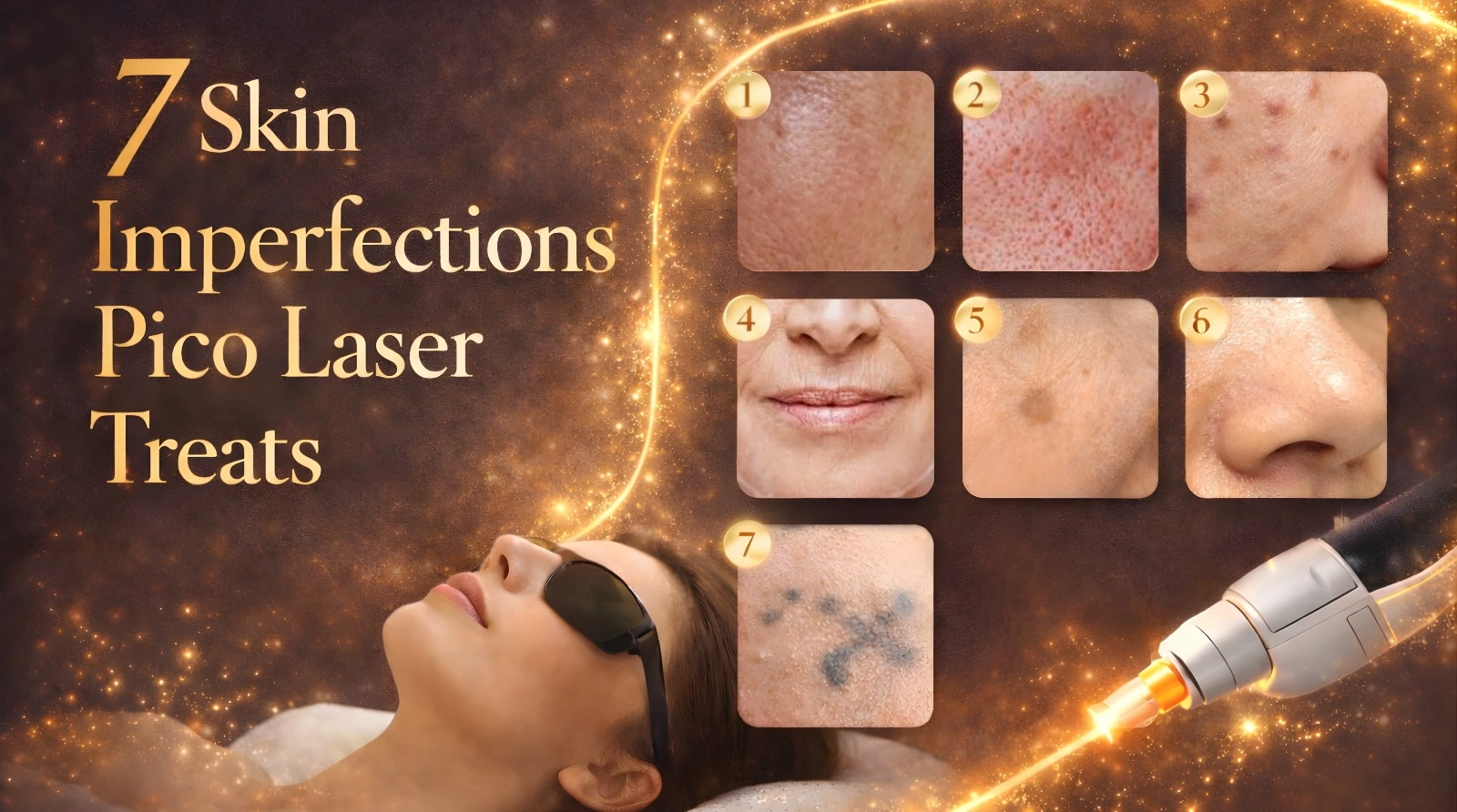
Potential uses to discuss after diagnosis include:
- Pigmentation and melasma, with assessment of the risk of worsening pigmentation
- Acne scars and uneven texture
- Fine lines and wrinkles
- Tattoo removal
Short pulses do not eliminate heat effects or risk. Every skin tone needs individual assessment, with particular attention to burns and pigment change in darker skin.
External Reference: The FDA explains how lasers can break down tattoo pigment, with risks including pain, infection, scarring and colour change. This does not establish universal superiority of one device.
Pico Laser vs. Traditional Laser: A Side-by-Side Comparison
Compare the exact device and condition rather than the technology name alone:
| Technology | Pico Laser: Uses very short pulses with photo-acoustic effects; this does not mean an absence of thermal effects. | Traditional: A broad category including ablative, non-ablative and fractional technologies with different settings. |
| Downtime & Recovery | Pico Laser: Recovery can be limited for some uses, but varies and may require specific aftercare. | Traditional: Recovery depends on the procedure; a single range such as 5–10 days does not apply to all lasers. |
| Pain Level | Pico Laser: Stinging or pain can occur; cooling or anaesthesia depends on the device and area. | Traditional: Discomfort and anaesthetic needs vary by procedure. |
| Safety & Skin Types | Pico Laser: Requires appropriate device selection and settings; no skin tone is risk-free. | Traditional: Risks depend on the device, indication and practitioner, with pigmentation changes a particular concern in darker skin. |
| Number of Sessions | Pico Laser: Requires individual assessment; 2–3 sessions is not a fixed or guaranteed course. | Traditional: Depends on the condition and device; 4–6 sessions cannot be generalised to every treatment. |
| Results | Pico Laser: Results depend on the condition, settings and response; immediate glow or a particular improvement is not guaranteed. | Traditional: Results may develop during recovery and vary with the procedure. |
The Verdict: Choose Pico Laser treatment based on diagnosis, benefits, risks and alternatives rather than assuming universal superiority.
Is Pico Laser Always the Better Choice?
No. Choice depends on the concern, skin, device and practitioner; another procedure may better suit some cases.
Fractional CO2 or ablative lasers may be discussed for selected scars or texture concerns after specialist assessment of recovery and risks. (Further reading: AAD information on laser scar treatment).
At Elite Body Home Polyclinic, we evaluate every patient individually. We don't just use technology; we recommend the right medical approach for your specific skin condition.
Why Choose Elite Body Home Polyclinic
Ask about the team, proposed equipment and follow-up when considering non-surgical skin treatments.
Points to verify:
- Practitioner licensing and scope of practice.
- Exact Pico device, registration and authorised indication; US clearance does not establish UAE authorisation.
- Gentle protocols tailored for sensitive and darker skin tones.
- Transparent consultations and customised plans.
We match the technology to your skin—not the other way around.
FAQs: Common Questions About Pico Laser
Which is better for pigmentation — Pico or traditional laser?
It depends on diagnosis, pigment depth, skin tone and device. Lasers can worsen pigmentation, especially with melasma or darker skin; there is no best option for everyone.
Does Pico Laser hurt less than older lasers?
Sensation varies with settings, area and pain-control measures. Less pain than every other laser cannot be guaranteed.
Can I combine Pico Laser with other treatments?
Combining treatment with Skin Boosters or PRP requires assessment of timing and risks; it is not automatically safe or more effective for everyone.
How soon can I see results?
Timing depends on the concern and response. Changes may develop over sessions and follow-up, but first-session improvement is not guaranteed.
For an overview of indications, read skin concerns assessed for Pico laser. For the broader process, see the Pico laser treatment guide. Appointment enquiries belong on our Pico laser service page.