Understanding Keloid Scars: Causes, Symptoms & Treatment Options in Dubai
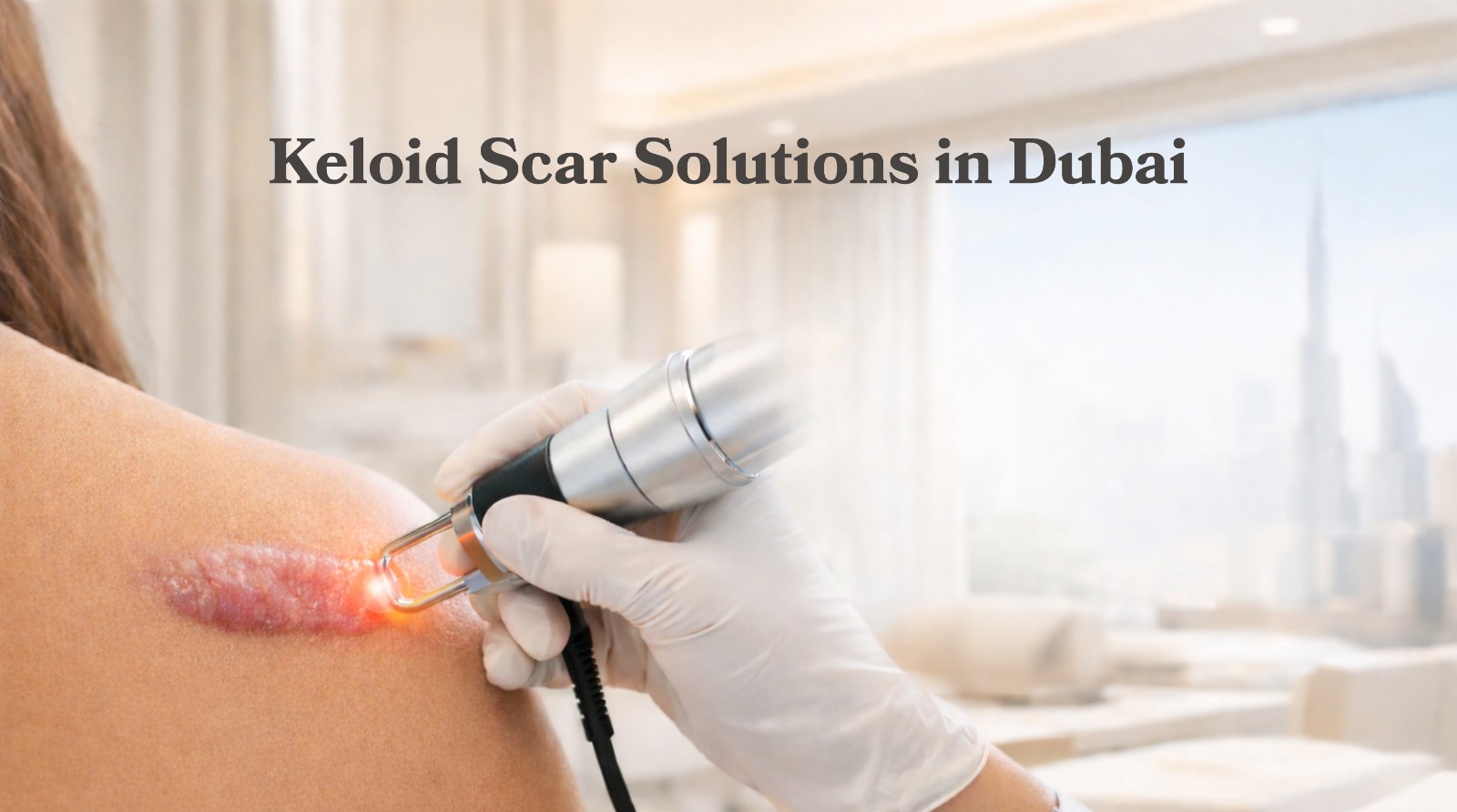
Struggling with raised, stubborn scars? Keloids are an overgrowth of scar tissue that can be uncomfortable and unsightly. At Elite Body Home Polyclinic, we offer advanced keloid treatment in Dubai, including laser therapy and corticosteroid injections, to flatten scars and restore smooth skin safely and effectively.
Scars are a natural part of healing, but sometimes, the skin doesn't know when to stop. If you have noticed a scar that has grown larger than the original wound, feels firm, or looks raised and shiny, you may be dealing with a keloid.
For many patients in Dubai, keloids are more than just a cosmetic concern—they can be itchy, tender, and emotionally distressing.
At Elite Body Home Polyclinic, we believe you shouldn't have to live with scars that affect your confidence. Whether caused by a piercing, acne, or surgery, our advanced keloid treatment in Dubai offers a path to smoother, clearer skin.
What Is a Keloid Scar?
A keloid scar is an overgrowth of dense, fibrous tissue that develops after a skin injury. Unlike a normal scar (which fades and flattens over time), a keloid is aggressive. It extends beyond the boundaries of the original wound and often continues to grow slowly for months or even years.
Visual Characteristics:
- Appearance: Raised, shiny, and dome-shaped.
- Colour: Can range from pink or red to dark brown, often darker than your natural skin tone.
- Texture: Firm and rubbery to the touch.
Think of it as your skin’s "overprotective" response to healing—it just doesn't know when to turn off the repair switch.
Why Do Keloids Form?
Keloids develop when your body produces excessive amounts of collagen (the protein that strengthens skin) during the healing process. Instead of organizing into a neat, flat layer, the collagen piles up in a disorganized, thick mass.
Common Triggers:
- Skin Trauma: Surgical incisions, severe acne, burns, or vaccination shots.
- Body Art: Ear piercings and tattoos are frequent culprits.
- Genetics: If your parents have keloids, you are more likely to develop them.
- Skin Tone: Darker skin types (Fitzpatrick IV-VI) are genetically more predisposed to keloid formation.
Common Areas Affected
While they can appear anywhere, keloids favor areas where the skin is under tension.
- Ears: Especially the lobes and cartilage after piercing.
- Chest and Shoulders: Often from acne or vaccination scars.
- Jawline: A common site for beard bumps or acne scars in men.
- Upper Back: Often related to "bacne" (back acne).
Are Keloids Harmful?
Medically speaking, keloids are benign (non-cancerous) and not dangerous. However, they can be physically bothersome.
- Physical Symptoms: Many patients report itching, tenderness, or sharp shooting pains within the scar.
- Mobility Issues: If a large keloid forms on a joint (like the shoulder), it can restrict movement.
- Emotional Impact: The visibility of the scar can lead to significant self-consciousness.
Fortunately, modern dermatology offers effective ways to manage them.
Medical Insight: According to the American Academy of Dermatology, early treatment of a forming keloid yields the best results. (Source: AAD.org)
Treatment Options for Keloids
There is no "magic eraser" for keloids, but a combination of medical treatments can significantly flatten them and reduce their visibility. At Elite Body Home Polyclinic, we customize the plan based on the size and age of the scar.
This is the gold standard for small-to-medium keloids. We inject a steroid solution directly into the scar tissue to break down collagen bonds.
- Goal: Soften and flatten the scar.
- Frequency: Usually requires a series of sessions spaced 4–6 weeks apart.
Laser treatments are excellent for improving the texture and color of the scar.
- Pico Laser: Helps break down pigment if the scar is dark.
- CO2 Fractional Laser: Can help resurface the texture of flatter scars.
This involves freezing the scar tissue with liquid nitrogen. The extreme cold causes the excess tissue to die and slough off, effectively reducing the bulk of the keloid.
For very large keloids, surgical removal may be necessary. However, surgery alone often causes the keloid to grow back even larger.
- Our Protocol: We almost always follow surgery with radiation or steroid injections to prevent recurrence.
Often recommended as a home-maintenance step. Silicone sheets apply pressure and hydration, which helps regulate collagen production and keep the scar flat.
Why Choose Elite Body Home Polyclinic?
Treating keloids requires precision. If treated aggressively, they can worsen; if treated too lightly, they won't budge.
At Elite Body Home Polyclinic, we understand the delicate balance required for successful keloid removal in Dubai.
Why patients trust us:
- DHA-Licensed Dermatologists: Experts who understand the biology of scar tissue.
- Multi-Modality Approach: We combine lasers, injections, and topicals for superior results.
- Safe for All Skin Tones: Our protocols are designed to prevent hyperpigmentation in darker skin.
Our goal is not just to remove a scar—but to restore your self-esteem.
Book Your Keloid Assessment Today
FAQs: Common Patient Questions
1. Are keloids permanent? Without medical intervention, keloids are usually permanent and may grow over time. However, professional treatment can flatten them significantly, making them nearly invisible.
2. Is keloid removal painful? Most treatments are well-tolerated. Injections may cause a mild pinch, but we can apply numbing cream to ensure your comfort.
3. Can keloids come back after removal? Recurrence is the biggest challenge with keloids. This is why we rarely use surgery alone; combining treatments (like surgery + steroid injections) lowers the recurrence rate dramatically. (Source: Mayo Clinic)
4. Is laser treatment safe for dark skin? Yes. We utilize advanced laser technology specifically calibrated for darker skin tones to treat the scar without damaging the surrounding pigment.