What is Scoliosis? Types, Symptoms, Causes & Treatment
Are you wondering what is scoliosis? Scoliosis is a medical disorder which involves an abnormal curvature of the spine (typically shaped like an “S” or a “C”). It can strike people of any age, but it’s most often diagnosed during childhood or adolescence. Regardless if you have mild scoliosis, or a more severe case of the deformity, there are many treatment options to make one’s quality of life better. Physiotherapy to give you the required assistance to handle this condition So now you one of those who are frequently searching for physiotherapy near me. This blog will give you more information on what is scoliosis types, how to diagnosis scoliosis, its symptoms, causes, treatment methods and more.
What is Scoliosis?
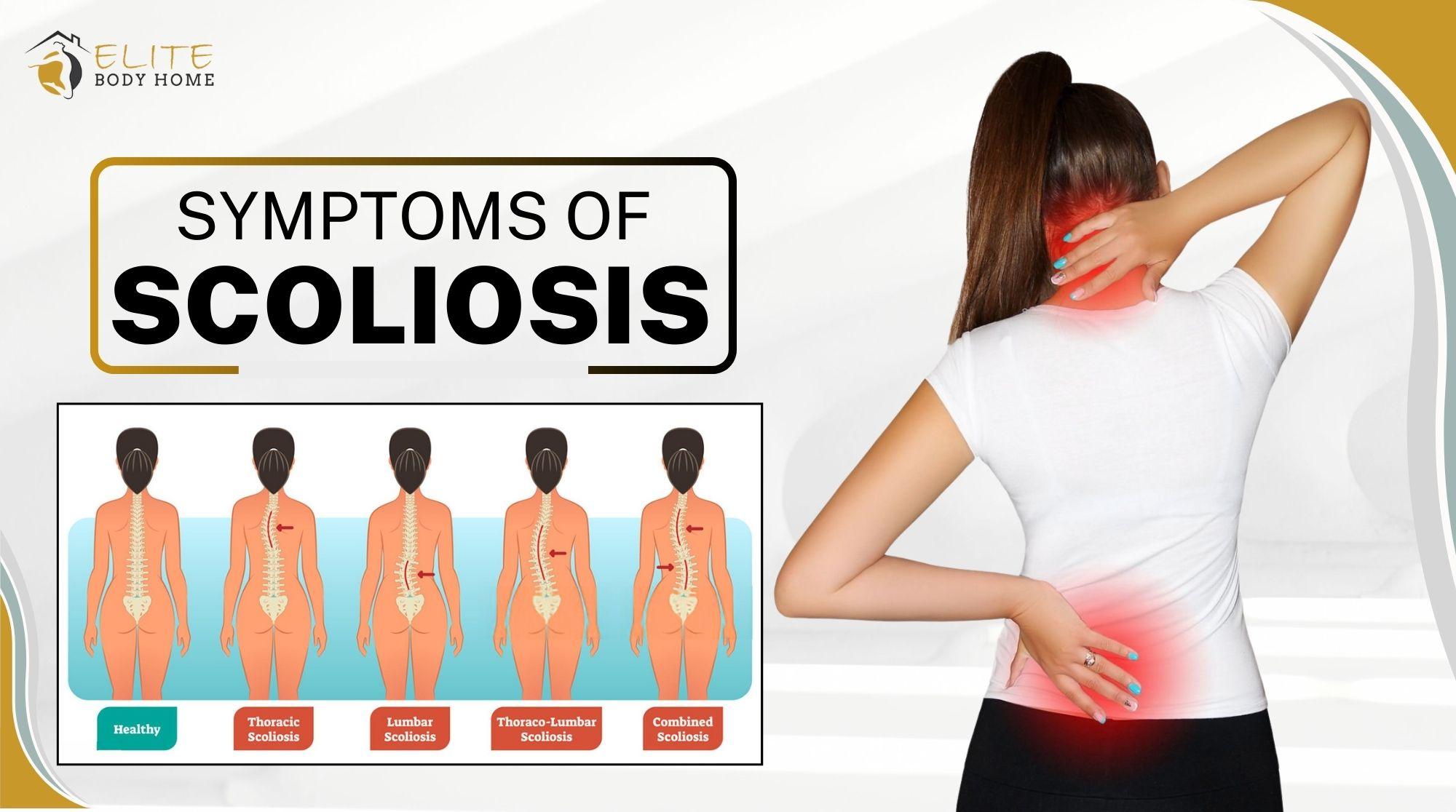
Scoliosis is a condition characterized by an abnormal lateral (sideways) curvature of the spine. Normally, the spine has natural curves that help with balance and flexibility. However, in scoliosis, the spine curves in an “S” or “C” shape, leading to back curvature and other health complications. While the condition can be mild in some individuals, in others, it can lead to serious issues, such as chronic pain, breathing difficulties, and limited mobility.
Types of Scoliosis
There are three main kinds of scoliosis:
- Idiopathic Scoliosis: The most common type, with an unknown cause. It usually develops in childhood or adolescence and can worsen as the child matures.
- Congenital scoliosis: This type of scoliosis is caused by abnormal formation of the vertebrae during fetal development, resulting in a curved spine at the time of birth.
- Neuromuscular Scoliosis: Usually linked with neurological or muscular disorders, such as cerebral palsy, muscular dystrophy, and spina bifida.
Such types differ in severity, age at which they develop and progression, which determines what kind of treatment is required.
Common Symptoms of Scoliosis
- Shoulders or hips that are not level: One shoulder or hip can be higher than the other.
- Back pain or discomfort: Pain tends to be more severe in cases of lumbar scoliosis (lower back), particularly in more severe cases.
- Rib prominence: The ribs might protrude on one side because of the curvature of the spine.
- Tilting to one side: Patients with scoliosis will often tilt to one side involuntarily to correct for the curvature.
- Loss of movement: People with more extreme back pain might struggle to bend or twist.
Causes of Scoliosis
Although the precise cause of scoliosis is often unknown, there are several factors that can contribute to its development:
- Genetics: If scoliosis runs in your family, it’s more likely that you will develop it, too.
- Neuromuscular disorders: Conditions like muscular dystrophy or cerebral palsy can result in muscle imbalances that can lead to scoliosis.
- Genetic disability: In some cases, scoliosis is linked to congenital disabilities with abnormal vertebrae or a spinal deformity.
- Degenerative conditions: With age, spinal discs can deteriorate, leading to lumbar scoliosis, particularly among older adults.
What Specific Area of the Spine is Impacted by Scoliosis?
Scoliosis can occur in any part of the spine, but the most common areas affected are:
- Thoracic spine (upper back): This is the area that most commonly -- scoliosis is found in children.
- Lumbar Spine (Lower Back): Adult scoliosis is more likely to affect the lumbar spine, and is often associated with degenerative diseases.
- Cervical Spine: Though less common, scoliosis can impact the cervical spine, adding to the complexity of the condition.
How is Scoliosis Measured?
The Cobb angle measures the degree of scoliosis and is established by an X-ray. The “angle of the curve” is formed by drawing lines along top and bottom most tilted vertebrae.
- No scoliosis diagnosis: Under 10 degrees.
- Mild scoliosis: 10 to 24 degrees.
- Moderate scoliosis: 25 to 39 degrees.
- Very severe scoliosis: More than 60 degrees.
Other tools such as scoliometers may also be utilized to measure the degree of curvature during a physical examination. This is the gold standard for assessing the severity of scoliosis.
Who Is at Risk for Developing Scoliosis?
The following risk factors also can increase the risk of someone developing scoliosis:
- Age: Scoliosis is most often diagnosed in children ages 10 to 18 during growth spurts.
- Gender: Girls are at much greater risk than boys to develop severe forms of scoliosis.
- Genetics: A family history of scoliosis raises the likelihood of developing the condition.
- Pre-existing medical conditions: Neuromuscular or congenital spinal deformities increase the risk of developing scoliosis.
What Are the Complications of Scoliosis?
Scoliosis can lead to multiple complications if not treated:
- Pain: Chronic pain, especially in the back and lower back, may be present.
- Continued:Respiratory issues: Extreme curvature of the spine can restrict lung expansion and lead to difficulty breathing.
- Heart problems: In severe cases, the curvature can squeeze the chest cavity itself, which is threatening heart function.
- Limited mobility: A severe case of scoliosis can restrict your ability to bend, twist, or move.
Diagnosis and Tests
Diagnosis of scoliosis usually involves:
- Physical exam: A doctor will look at the back for signs of curvature, shoulders that are uneven, and other physical signs of scoliosis.
- X-rays: X-rays are used to assess how much the curvature of the spine has developed and help develop a treatment plan.
- MRI or CT scans: These imaging tests offer more detailed information about the spine, especially if there’s worry about nerve damage.
- Scoliometer: An instrument used to measure the degree of spinal curvature during physical examinations.
Management and Treatment
The treatment for scoliosis takes into consideration the severity of the curvature and the age of the individual. Some standard treatments include:
- Observation: For mild scoliosis, doctors may suggest simply monitoring it to see if the curvature worsens.
- Bracing: Wearing a brace for moderate scoliosis, especially in children, can stop the curve from worsening.
- Exercise: Exercise plays an important role in the management of scoliosis. It ono strengthens the muscles, improve posture, and relieve pain Regular physiotherapy customarily diminishes the need for medical procedures like surgery. For mild scoliosis patients, physiotherapy is widely prescribed to emphasize spinal positioning and toning.
- Surgery: In severe cases, the curve may exceed 45 degrees, at which point surgery may be needed to straighten the spine. Spinal fusion is a common surgical procedure for stabilizing the spine preventing further curvature.
Prevention
Scoliosis cannot always be prevented, but early detection and regular monitoring can help you manage it before it turns worse. Here are some tips for scoliosis management:
- Posture correction: Good posture can relieve strain on the spine and may prevent additional curvature.
- Strength conditioning: Strength exercise can bolster the core and back muscles of the body, which all supports the spine too.
- Meditation area: Being seated for long hours can cause discomfort.
When Should I Visit a Health Care Provider?
If you see any signs of scoliosis, get to a health care provider:
- Uneven shoulders or hips
- Persistent back pain
- Inability to move or very little flexibility
- A visible curve in the spine
Questions to Consider Asking During Your Visit
- How severe is my scoliosis?
- What are my treatment options and what is best for me?
- Is physiotherapy effective at managing my condition?
- What are the risks and advantages of surgery?
- How often should I follow up with the provider?
A Note from Elite Body Home
Empowerment is at the core of who we are at Elite Body Home — We are here to help our clients learn and take control over their health. Over millions of people around the world suffer from scoliosis, but with proper care and treatment, this condition can be managed. And whether you’re dealing with a mild curvature of the spine or a more advanced case, you can find treatment options that may enhance your quality of life overall.
Why early detection is so important?
Scoliosis treatment, when started early, can greatly reduce its severity and avoid complications. The National Scoliosis Foundation estimates that scoliosis affects about 2-3% of the population, with most cases diagnosed in childhood during growth spurts. More severe cases can require even more aggressive treatment, but the earlier scoliosis is detected, the more likely it will be treated effectively.
Elite Body Home: Specialist inphysiotherapy programs for strengthening back muscles and correcting posture, relieving pain. According to Journal of Physiotherapy analysis on research, exercise based treatments for established scoliosis are extremely effective at preventing the progression of scoliosis, which leads to unnecessary surgeries.
Besides physiotherapy, the following lifestyle changes and home exercises can also assist in managing scoliosis:
- Stretching and strengthening exercises: Physical activity helps with spinal alignment and in correcting muscle imbalances.
- Ergonomic workspaces: Make sure it (a workstation) supports good posture so it doesn’t put undue load on the back
It's important not only to maintain active lifestyles with scoliosis. Routine aerobic exercises — in addition to swimming, yoga and Pilates — keep the spine flexible and strong.
Scoliosis is a lifelong condition that needs to be managed. Periodic visits to healthcare providers are necessary to evaluate treatment efficacy. Most scoliosis patients can remain active and healthy with a top regimen of physiotherapy, lifestyle modification, and, in some cases, medical management.
Conclusion
Scoliosis can be managed effectively with early diagnosis, proper treatment, and physiotherapy. At Elite Body Home, personalized programs help strengthen the spine, improve posture, and reduce pain. With expert guidance, lifestyle habits, and regular monitoring, individuals can prevent curve progression, maintain mobility, and enjoy a healthier, more comfortable life.
FAQS
What is the main cause of scoliosis?
The most common cause is idiopathic scoliosis, which means the exact reason is unknown. It’s believed to be linked to genetics, since it often runs in families. Other causes include congenital spine issues, neuromuscular disorders, and age-related degeneration.
What are 5 symptoms of scoliosis?
Five common symptoms include: Uneven shoulders One hip higher than the other Visible spine curve Back pain or stiffness Rib cage prominence (one side sticks out more)
What is the best treatment for scoliosis?
The best treatment depends on the severity: Mild: Physiotherapy + posture correction Moderate: Bracing Severe: Surgery (spinal fusion) Physiotherapy is highly effective for improving posture, reducing pain, and preventing progression—especially with personalized programs like those at Elite Body Home.
Can scoliosis cause calf pain?
Yes. If the spinal curve compresses nerves in the lower back, it can cause radiating pain into the hips, legs, or calves. This is more common in lumbar scoliosis.