Mounjaro and Type 2 Diabetes: Weight, Evidence and Safety
Understand Mounjaro’s role in type 2 diabetes care, how to interpret weight-loss studies, and what to discuss about side effects, suitability and follow-up.
What does Mounjaro evidence mean for people with type 2 diabetes?
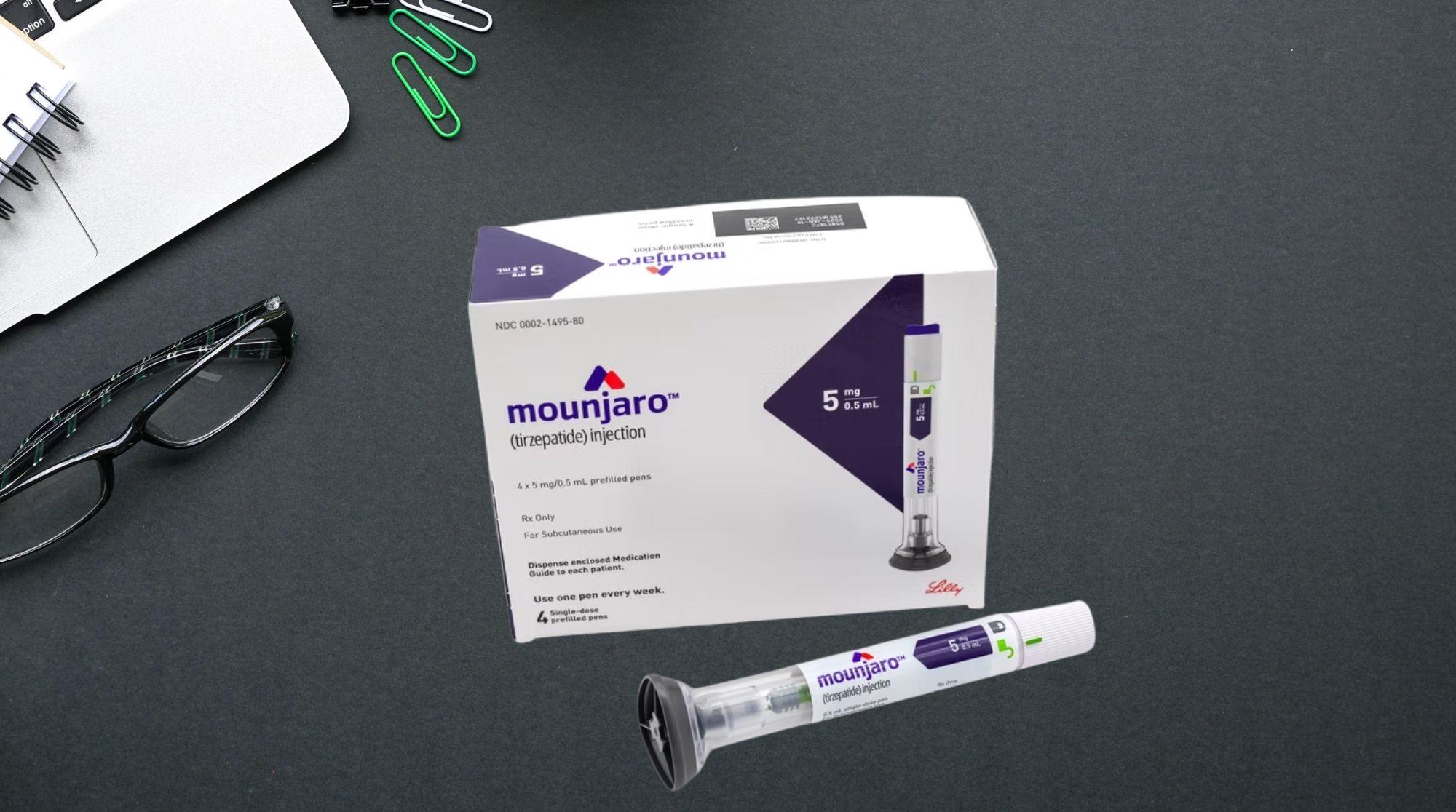
Mounjaro contains tirzepatide, which acts on GIP and GLP-1 receptors and can affect blood glucose and body weight. Trials in defined diabetes populations help inform treatment discussions, but do not predict every patient's response or establish universal superiority. Suitability still depends on local product information, health, tolerability and monitoring with a prescriber.
Mounjaro contains tirzepatide, which acts on GIP and GLP-1 receptors and is used in type 2 diabetes care. Body weight may also change during treatment. This guide focuses on diabetes-related evidence and its limits; suitability, local product indications, side effects and follow-up should be assessed with a prescriber.
Why Is Mounjaro Discussed in Type 2 Diabetes Care?
The following points help frame a discussion with the prescriber:
- Dual hormone action: Targets both GLP-1 and GIP receptors to control appetite and blood sugar.
- Clinical evidence: Trials measure glucose and weight outcomes in defined populations. Their findings are not a guaranteed result for every patient.
- Comparing medicines: Results depend on the study population, dose and outcome; one drug is not the right choice for everyone.
- Administration: A weekly prescription injection still requires instructions, monitoring and a discussion of potentially serious adverse effects.
- In Dubai: Confirm the local product information, prescription requirements and current availability with a licensed clinician or pharmacist.
What is Mounjaro (Tirzepatide)?
Mounjaro contains tirzepatide. Its indications must be checked against the locally supplied product; the presence of diabetes or obesity alone does not establish suitability.
Tirzepatide activates GIP and GLP-1 receptors, affecting glucose-dependent insulin secretion and food intake. The mechanism does not establish universal superiority over other treatments.
Clinical Studies Supporting Mounjaro injection
SURPASS-2 compared tirzepatide with semaglutide in adults with type 2 diabetes taking metformin. Glucose and weight outcomes favoured tirzepatide at the studied doses, but the trial does not establish superiority for every patient or every semaglutide dose. See the original study rather than comparing percentages taken from different trials.
SURMOUNT-1 studied weight management in people with obesity or overweight without diabetes. It addresses a different population from SURPASS-2. Its weight and later diabetes-prevention findings should not be presented as outcomes for people already living with type 2 diabetes.
How Mounjaro injection Promotes Weight Loss?
Tirzepatide acts on two receptor pathways relevant to glucose regulation and food intake:
- GLP-1 activity: Contributes to glucose-dependent insulin secretion and effects on appetite and gastric emptying.
- GIP activity: Also contributes to glucose-dependent insulin secretion. This is not a targeted fat-burning mechanism.
The effects are assessed alongside nutrition, activity, other medicines and individual treatment response.
Mounjaro and Ozempic: What Should Be Compared?
| Feature | Mounjaro (tirzepatide) | Ozempic (semaglutide) |
| Mechanism | Dual Agonist(GLP-1 + GIP) | Single Agonist ( GLP-1 only) |
| Weight outcome | Varies by dose, population and individual response | Varies by dose, population and individual response |
| Blood Sugar Control | Assessed against individual glucose goals | Assessed against individual glucose goals |
| Dosing | Weekly Injection | Weekly Injection |
| Side Effects | Gastrointestinal effects and other potentially serious risks | Gastrointestinal effects and other potentially serious risks |
Read Also: How to Lose Belly Fat Naturally in Dubai
Discussing Diabetes Care at Elite Body Home in Dubai
A consultation should review the diagnosis, medicines, medical history and treatment goals, then establish how glucose, symptoms and response will be monitored. Mounjaro is a medicine, not a vaccine, and treatment does not guarantee a particular outcome.
Services to Ask About After Assessment:
- Ozempic Injection in Dubai
- IV therapy: a separate service, not an established substitute for diabetes care
- Comprehensive Diabetes Management
- Customized Weight Loss Plans
Conclusion
Mounjaro may help eligible patients manage type 2 diabetes, with weight changes that vary between individuals. Treatment selection should consider the local indication, relevant evidence, alternatives and risks. It should be accompanied by appropriate follow-up rather than promises of guaranteed or risk-free weight loss.
Request a consultation to discuss your health goals, available options and a follow-up plan.
FAQs
Is Mounjaro safe for long-term use?
Longer-term use needs continuing review of benefit and risk. Clinical trials do not make it risk-free for every patient. The prescriber should reassess symptoms, other medicines and response over time.
Who is eligible for Mounjaro?
Eligibility depends on the exact local indication, age, medical history, other medicines and contraindications. Diabetes or a wish to lose weight does not by itself establish that treatment is appropriate.
How soon can I see results?
Response and timing vary with the person and treatment plan. Glucose and weight should be reviewed at agreed intervals rather than expecting a guaranteed change within a fixed number of weeks.
Do I need a prescription for Mounjaro in Dubai?
Yes. A licensed prescriber should assess suitability and arrange appropriate instructions and follow-up.
For practical questions, read the Mounjaro prescription, cost and monitoring guide. To compare options, see semaglutide and tirzepatide assessment.
Evidence: SURPASS-2 trial, SURMOUNT-1 trial and US Mounjaro prescribing information. The US label does not establish UAE indications. Severe or persistent abdominal pain, breathing difficulty or a serious allergic reaction requires urgent medical assessment; discuss other symptoms and contraindications with the prescriber.