Can Keloids Come Back? Prevention, Maintenance & Aftercare Tips
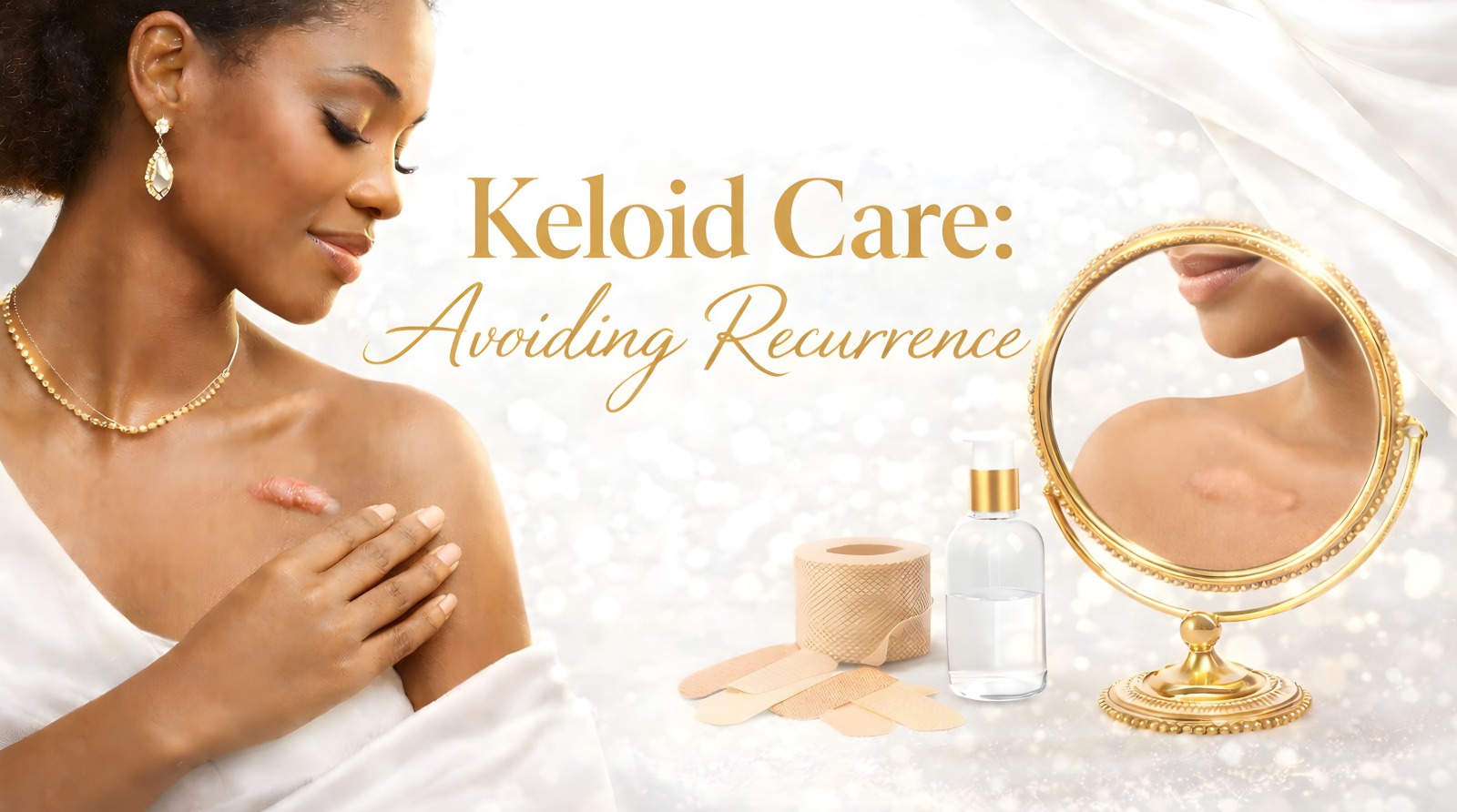
Worried about keloids returning? Recurrence is a common concern, but with the right care, it is preventable. At Elite Body Home Polyclinic in Dubai, we combine advanced removal techniques with strict keloid aftercare protocols including silicone therapy and follow-up lasers—to ensure your skin stays smooth and scar-free long-term.
You have finally treated that stubborn scar. The bump is gone, the itching has stopped, and your skin looks smooth again. But in the back of your mind, a worry remains: Will it come back?
It is a valid concern. Keloids are notorious for their high recurrence rates—sometimes returning even larger than before if not managed correctly.
But here is the good news: Recurrence is not inevitable.
At Elite Body Home Polyclinic, we believe that removing the scar is only half the battle. The other half is keeping it away. Here is your expert guide to understanding keloid recurrence and the specific aftercare steps you need to take to protect your results.
Why Keloids Can Return
To prevent them, you have to understand them. Keloids form because your body's "wound healing" switch gets stuck in the ON position, producing excessive collagen.
Even after a keloid is flattened with injections or removed with surgery, that biological signal can sometimes persist. Recurrence is most likely if:
- The scar was surgically cut out without any follow-up treatment (like radiation or steroids).
- There is tension on the wound (e.g., on the shoulder or chest).
- Aftercare instructions aren't followed closely.
- The area is re-injured (even a small scratch can trigger it).
Success isn't just about the procedure; it's about the maintenance.
How to Prevent Keloid Recurrence
At Elite Body Home, our keloid treatment in Dubai includes a structured prevention plan. Here are the 5 medical pillars of prevention:
This is non-negotiable. Whether you had laser or injections, follow-up sessions are designed to "suppress" the scar tissue before it wakes up again.
- Pro Tip: Don't wait until you see a bump to book an appointment. Maintenance sessions are preventative.
Silicone sheets or gels are clinically proven to flatten scars. They work by hydrating the scar and creating a barrier that regulates collagen production.
- Usage: Apply daily for at least 12 hours a day for 3–6 months post-treatment.
For ear keloids, pressure earrings (clips) are essential. They physically compress the tissue, mechanically preventing blood flow from feeding a new scar.
This might seem obvious, but it is crucial.
- Do not re-pierce the same area.
- Avoid getting tattoos near the keloid site.
- Treat acne aggressively to prevent new lesions from turning into keloids.
UV rays stimulate inflammation in the skin. A tanned scar is an angry scar.
- Rule: Always apply SPF 50+ to the treated area if it is exposed to the sun.
Best Aftercare Practices
Immediately after your laser or injection session, your skin needs tender loving care.
- First 24 Hours: Keep the area clean and dry. Avoid hot showers or saunas that induce sweating.
- Moisturize: Apply the prescribed healing balm or serum to keep the skin barrier strong.
- No Friction: Wear loose clothing. If the scar is on your shoulder or bra line, ensure fabric isn't rubbing against it.
Lifestyle & Skin Maintenance Tips
Healthy skin heals better. Your internal health plays a surprising role in how your scars behave.
- Stay Hydrated: Water is essential for collagen elasticity.
- Diet Matters: Foods rich in Vitamin C and Zinc support healthy wound healing.
- Manage Stress: High cortisol (stress hormone) levels can slow down recovery and increase inflammation.
Why Choose Elite Body Home Polyclinic?
We don't just treat the scar you see; we treat the biological process underneath. At Elite Body Home Polyclinic, our recurrence rates are incredibly low because we use a Multi-Modality Approach.
Why patients trust our long-term care:
- Comprehensive Plans: We combine surgery/laser with immediate steroid injections to shut down regrowth signals.
- Patient Education: We teach you exactly how to use silicone and pressure dressings at home.
- Long-Term Monitoring: We track your scar for months to catch any signs of regrowth early.
We don’t just remove scars — we help ensure they stay away.
Book Your Scar Assessment Today
FAQs
1. Can keloids come back after removal? Yes, recurrence is possible, especially with surgery alone. However, combining treatments (like surgery + radiation or steroids) and following strict aftercare significantly reduces this risk.
2. How long does aftercare last? Active treatment might take a few months, but maintenance (like silicone sheets) should continue for 6–12 months to ensure the scar remains stable.
3. Are silicone sheets really effective? Yes. Clinical studies confirm that silicone gel sheeting is one of the most effective non-invasive ways to prevent keloid recurrence. (Source: AAD)
4. Should I get maintenance laser sessions? Yes. Even after the scar is flat, a "touch-up" laser session every 6–8 months helps maintain the texture and keep the collagen organized.