Diet Planning for Weight Loss: Meals, Portions and Support

Do you feel concerned about weight loss? weight loss doesn’t have to mean being hungry all the time. And, indeed, the food you choose to eat, is the crucial element in weight loss.
For expert advice, you can consult a dietician in Dubai to get personalized meal plans and recommendations based on your body type, lifestyle and fitness goals.
This article discusses practical meal planning, balanced eating and lifestyle habits for weight management. It also explains when prescription medicines such as semaglutide or tirzepatide may be discussed with a clinician; brand indications and suitability must be checked in the UAE.
Key Insights for Sustainable Diet Plan For Weight Loss in Dubai:
- Sustainable weight loss focuses on balanced nutrition, hydration, and mindful eating, not deprivation.
- A seven-day meal outline can help you organize balanced meals; it does not detoxify the body or reset metabolism.
- Long-term success requires regular workouts, quality sleep, and stress control.
- Prescription medicines may support eligible patients after assessment; Mounjaro and Ozempic should not be treated as interchangeable or universally approved weight-loss brands.
A dietitian can tailor a plan and follow-up to your needs, but lasting results cannot be guaranteed.
The Real Science Behind How to Eat for Weight Loss
Eating smart isn’t just a trendy phrase, it’s the foundation of sustainable and healthy weight loss. The secret lies in consuming nutrient-dense foods that keep you full and energized without adding unnecessary calories. Below are the key science-backed principles of effective eating for weight loss.
1. Prioritize Protein and Fiber-Rich Foods
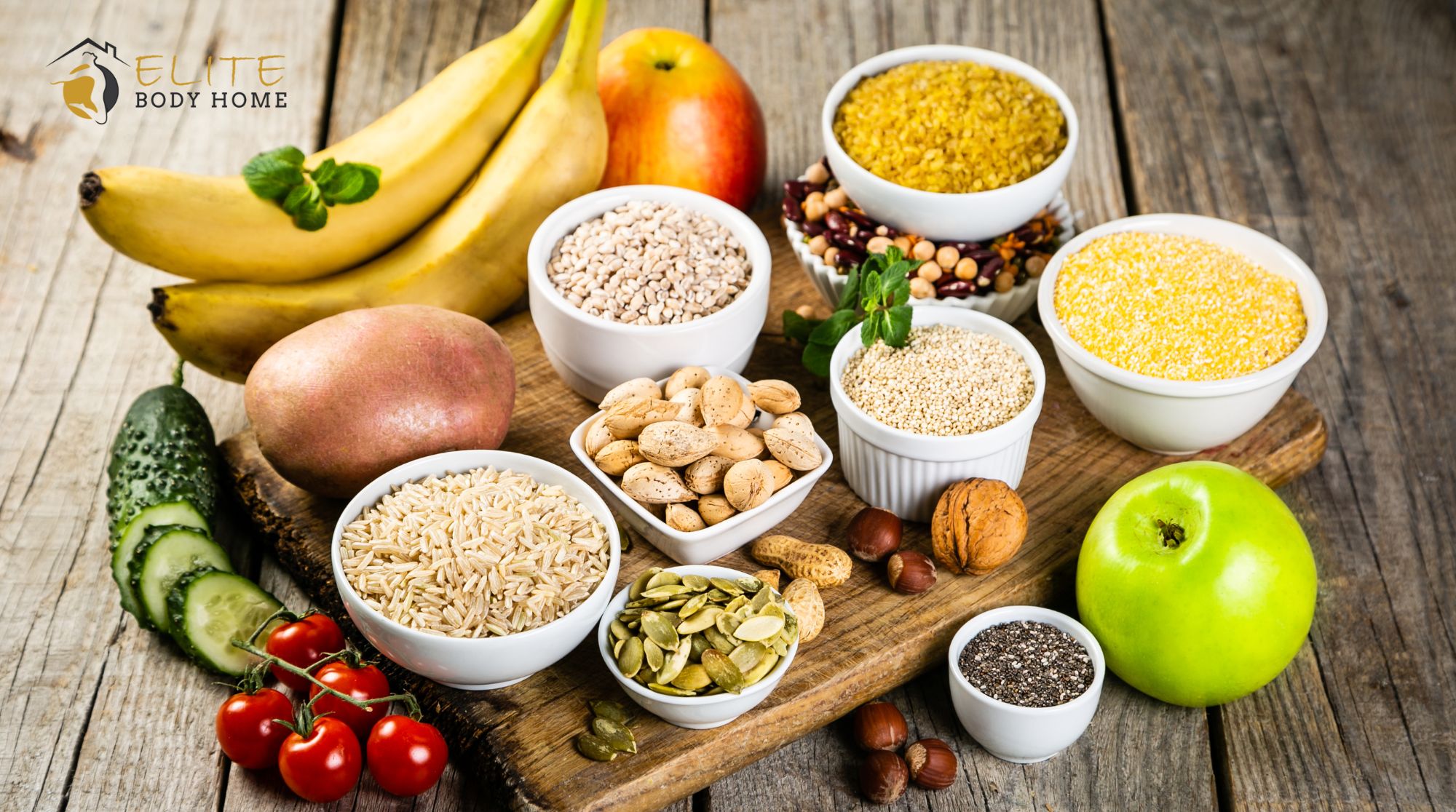
Protein helps maintain body tissues and can support fullness. Include appropriate portions from sources such as:
- Chicken and turkey
- Fish and seafood
- Eggs
- Tofu and lentils
Fiber supports bowel health and can contribute to fullness. Some fiber-rich foods help moderate the rise in blood glucose after meals. Options include:
- Whole grains (oats, quinoa, brown rice)
- Fresh vegetables
- Fruits like apples and berries
- Legumes such as beans and chickpeas
2. Hydration Is the Hidden Hero
Drink fluids regularly according to your needs. Thirst and hunger are different signals; water is not a substitute for meals or a guaranteed appetite suppressant.
- Fluid needs vary with health, activity and climate. Do not impose a fixed 2–3 liters of plain water on everyone; follow medical advice if you have a fluid restriction.
- Water or unsweetened drinks can be suitable choices. Check added sugars in coconut water and other drinks, and ask about herbal products if you take medicines.
3. Practice Mindful Eating and Portion Control
Mindful eating encourages awareness of what and how much you eat. Eat slowly, chew thoroughly, and allow your brain to signal fullness.
- Serve food on smaller plates to naturally reduce portion sizes.
- Avoid distractions like phones or TV during meals to prevent overeating.
These habits can help you notice portions and fullness, but they do not automatically create a calorie deficit.
4. Limit Processed and High-Sugar Foods
Frequent sugary drinks and energy-dense snacks can make it harder to meet an appropriate energy intake. Consider whole fruit and balanced meals rather than assuming every processed food is harmful.
- Swap desserts for fresh fruit or dark chocolate.
- Include suitable portions of nuts, avocado or olive oil as sources of unsaturated fat; they still contribute energy.
A workable eating plan emphasizes nutritional balance, appropriate portions and habits you can maintain. Weight change varies, and rapid fat loss should not be promised.
Seven-Day Balanced Meal-Planning Example
The following is an illustrative meal outline, not a detox, fasting regimen or personalized prescription. Each day includes varied food groups rather than fruit-only or vegetable-only days. Portions and total energy must be tailored to age, activity, health and goals by a qualified professional.
Times are examples and snacks are optional; you do not need six meals a day. Substitute suitable foods for allergies, dietary preferences and availability. Seek individual advice during pregnancy or breastfeeding, for children, eating-disorder concerns or conditions such as diabetes and kidney disease.
Day 1: Fruit Within Balanced Meals
Whole fruit supplies fiber and other nutrients, but it should not be the only food eaten all day. Combine it with protein sources, whole grains, vegetables and appropriate fats. Watermelon or muskmelon can be part of the day without any detox claim.
Key Points
- Include fruit alongside balanced meals rather than eating only fruit.
- Eat fruits high in fiber and water such as watermelon, muskmelon, papaya, orange, etc.
- Bananas and mangoes do not need a universal ban; portions and individual needs matter.
- Drink according to your needs; 8–12 glasses is not a required target for everyone.
| Time | Meal |
| 8:00 AM | Oats with plain yogurt or a suitable fortified alternative, plus apple slices |
| 10:30 AM | Optional snack: sliced muskmelon and a few unsalted nuts |
| 12:30 PM | Lentil salad with vegetables and wholegrain bread |
| 4:00 PM | Optional snack: a sweet lime or orange |
| 6:30 PM | Grilled fish or tofu, vegetables and brown rice |
| 8:30 PM | Optional snack if hungry: plain yogurt and watermelon |
Day 2: Vegetables Full of Nutrients
Vegetables add fiber and nutrients to a varied diet. Pair them with protein, grains or other appropriate starchy foods; a vegetable-only day is not required.
Key Points:
- Include vegetables with balanced meals, raw or cooked as appropriate.
- Use cooking methods and amounts of oil that fit the overall plan; not all dietary fat needs to be avoided.
- Hydrating with water and herbal teas is also important to ensure good digestion.
| Time | Meal |
| 8:00 AM | Eggs or tofu with wholegrain toast and tomato |
| 10:30 AM | Optional snack: cucumber slices with hummus |
| 12:30 PM | Chickpea salad with lettuce, cucumber, spinach, capsicum and wholegrain bread |
| 4:00 PM | Optional snack: carrots with plain yogurt dip; water if thirsty |
| 6:30 PM | Chicken or lentils with broccoli, peas and a suitable portion of potatoes |
| 8:30 PM | Optional snack: fruit or a suitable milk/fortified alternative |
Day 3: A Variety of Fruit and Vegetables
Use different fruits and vegetables alongside protein and whole grains. Variety supports nutrition, but feeling lighter is not proof of fat loss or detoxification.
Key Points:
- Consume a variety of fruits and vegetables throughout the day.
- Bananas and potatoes can fit a balanced plan; there is no need to exclude them universally.
- Drink according to your needs, without treating extra water as a way to eliminate toxins.
| Time | Meal |
| 8:00 AM | Wholegrain toast with egg or hummus, plus muskmelon |
| 10:30 AM | Optional snack: pineapple or pear |
| 12:30 PM | Brown rice, beans and a mixed salad of lettuce, cucumber, spinach and capsicum |
| 4:00 PM | Optional snack: carrots with hummus; water if thirsty |
| 6:30 PM | Fish or tofu with broccoli, peas and wholegrain bread |
| 8:30 PM | Optional snack: plain yogurt or a suitable fortified alternative |
Day 4: Banana and Dairy Within a Varied Day
Bananas contain fiber and can be part of a diet that supports digestion. They can be combined with milk or a suitable fortified alternative, but a day limited to bananas and milk is not a balanced meal plan.
Key Points:
- Choose a suitable serving of banana rather than a requirement to eat at least eight.
- Include milk, yogurt or a suitable alternative if appropriate; soup is not automatically a nutritional substitute for dairy.
- Hydrate for optimal digestion.
| Time | Meal |
| 8:00 AM | Oats with milk or a suitable fortified alternative and sliced banana |
| 10:30 AM | Optional snack: a piece of fruit |
| 12:30 PM | Chickpea and vegetable wholegrain wrap with plain yogurt or an appropriate alternative |
| 4:00 PM | Optional snack: a few unsalted nuts |
| 6:30 PM | Lentil soup, mixed salad and wholegrain bread |
| 8:30 PM | Optional snack if hungry: milk or a suitable fortified alternative |
Day 5: Protein, Whole Grains and Tomatoes
Brown rice and tomatoes can fit balanced meals alongside protein sources and other vegetables. They do not have a special detoxifying effect.
Key Points:
- Combine brown rice and tomatoes with other food groups rather than eating them alone all day.
- If non-vegetarian, consume lean protein like fish or skinless chicken.
- Stay hydrated with plenty of water.
| Time | Meal |
| 8:00 AM | Egg or hummus on wholegrain toast with tomato |
| 10:30 AM | Optional snack: plain yogurt or a suitable fortified alternative |
| 12:30 PM | Brown rice with beans and tomato-and-vegetable salad |
| 4:00 PM | Optional snack: a piece of fruit and a few unsalted nuts |
| 6:30 PM | Fish or skinless chicken, or tofu, with vegetables and wholegrain couscous |
| 8:30 PM | Optional snack if hungry: a small portion of plain yogurt or fruit |
Day 6: Protein & Vegetables
Keep a varied mix of protein, vegetables, whole grains and suitable fats. The day need not repeat a restrictive menu.
Key Points:
- Combine brown rice and vegetables with a suitable protein source.
- Fruit and potatoes may be included; neither needs to be excluded universally.
- Choose a protein portion suited to your needs; 500 g of chicken is not a standard daily prescription.
| Time | Meal |
| 8:00 AM | Plain yogurt or a suitable fortified alternative with oats and fruit |
| 10:30 AM | Optional snack: cucumber and hummus |
| 12:30 PM | Lentil soup with wholegrain bread and mixed salad |
| 4:00 PM | Optional snack: a piece of fruit |
| 6:30 PM | Chicken, fish or tofu with brown rice and vegetables |
| 8:30 PM | Optional snack if hungry: a suitable milk/fortified alternative |
Day 7: Whole Grains, Whole Fruit and Varied Meals
Finish the week with the same balanced approach. Brown rice and vegetables can accompany protein sources; whole fruit is generally preferable to relying on juice. This is not a final detox day.
Key Points:
- Combine cooked vegetables and brown rice with a suitable protein source.
- Choose whole fruit rather than routinely adding juice after every meal.
- Potatoes and sweet potatoes can fit the plan in appropriate portions.
| Time | Meal |
| 8:00 AM | Wholegrain toast with egg or hummus and a whole orange or apple |
| 12:30 PM | Brown rice with beans or tofu and mixed vegetables |
| 4:00 PM | Optional snack: watermelon and berries with plain yogurt or a suitable alternative |
| 6:30 PM | Vegetable-and-lentil soup with wholegrain bread |
| 8:30 PM | Optional snack if hungry: fruit or a suitable milk/fortified alternative |
Also Read: An Inspiring Weight Loss Story (From 92 kgs to 81.5 kgs)
How To Lose Weight? Tips For Long-Term Success
Maintaining weight loss usually requires an approach that considers nutrition, activity, sleep and practical support. Avoid relying on extreme diets or miracle claims. If a clinician has prescribed a medicine such as tirzepatide or semaglutide, discuss how lifestyle measures fit your individual treatment plan.
- Exercise Regularly
- Choose activities appropriate to your health and ability. A balanced routine can include:
- Cardio (walking, running, swimming, cycling) to get rid of calories.
- Strength training (weight lifting, resistance exercises) to increase muscle and boost metabolic rate.
- Flexibility and balance exercise (yoga, Pilates,) to increase overall fitness and reduce the chance of injury.
2. Prioritize Quality Sleep
Sleep affects health and appetite regulation. Most adults need adequate regular sleep, often around 7–9 hours, with individual needs varying.
- Create a bedtime ritual that you follow.
- Give screens and caffeine a wide berth before bed.
3. Manage Stress Effectively
Stress can affect sleep, appetite and eating habits. It does not explain every instance of weight gain. Helpful approaches may include:
- Try meditation, deep breathing or yoga.
- Read or take a walk — do things that calm you.
- Seek social support from friends and family.
4. Meal Prep & Thoughtful Eating Habits
This helps avoid impulse eating and keeps you from going off the rails when it comes to healthy choices.
- Make a plan of what you want to eat instead of running to unhealthy fast food.
- Stock up on healthy snacks — nuts, fruit, yogurt and boiled eggs — to ease the yen.
- Chew slowly and pay attention to fullness cues.
Also Read: How to Reduce Belly Fat: Top 10 Effective Tips and Strategies
Understanding Medical Weight Loss Treatments: Mounjaro & Ozempic
A clinician may consider prescription medication for eligible patients alongside lifestyle support. Eligibility, contraindications and approved indications depend on the specific medicine and local labeling; not everyone who struggles to lose weight should receive it.
Mounjaro Injection
Active Ingredient: Tirzepatide
How It Works?
- Aids in regulating blood sugar levels
- Acts on GIP and GLP-1 receptors involved in appetite and glucose regulation.
- Can slow gastric emptying and influence fullness; effects and tolerability vary.
Benefits:
- Can support weight reduction in suitable patients; the amount is not guaranteed.
- Mounjaro's US label is for type 2 diabetes, not a universal prediabetes indication. Confirm the applicable UAE indication before use.
- Potential benefits and risks require individual assessment rather than a blanket metabolic-health claim.
Ozempic Injection
Details: Active Ingredient: Semaglutide
How It Works?
- Acts like the GLP-1 hormone to curb appetite and slow digestion.
- Assists in regulating the insulin and the blood sugar levels
Benefits:
- Semaglutide can support weight reduction, but Ozempic and weight-management brands have different indications. Confirm the appropriate UAE product and use.
- May reduce appetite in some people; it does not guarantee elimination of cravings or snacking.
- Used for specified indications including type 2 diabetes under its applicable label; do not present it as routine diabetes prevention.
More Tips for Losing Weight and Keeping It Off
- Hydrate: choose fluids according to health, activity and climate. A universal 8–12-glass target is not necessary, and water alone does not guarantee increased metabolism or weight loss.
- Monitor Progress: Log your meals and workouts using a food diary or exercise app
- Skip Processed Foods: Processed foods tend to have a lot of sugar, bad fats, and sodium. Instead, focus on whole, nutrient-dense foods.
Conclusion: Why Starving Doesn’t Work for Sustainable Weight Loss
Extreme restriction and persistent hunger are not a sustainable plan for everyone. Balanced eating, activity, stress support and, when appropriate, medical treatment can help weight management, but do not guarantee long-term results.
A dietician in Dubaican get you an individualized plan according to your type of body, health goal and lifestyle.
Elite Body Home Aesthetic Clinic Benefits
Elite Body Home offers consultations and individualized nutrition advice. Discuss the evidence, suitability and risks before considering weight loss injections such as tirzepatide or semaglutide. Treatment requires assessment and monitoring; no injection or combined program is risk-free or guarantees a target weight.
FAQS
What to eat to lose weight and not feel hungry?
Choose foods high in protein, fiber, and healthy fats to stay full longer. Good options include eggs, Greek yogurt, lean meats, beans, lentils, vegetables, fruits, nuts, and whole grains. Drink plenty of water and include bulky, low-calorie foods like salads and soups to reduce hunger naturally.
How to lose 5 kg in 7 days (diet plan)?
Losing 5 kg in seven days is not an appropriate general goal or a promise this plan makes. Rapid changes can reflect fluid loss and may be unsafe. Seek individualized advice and aim for a gradual, sustainable approach; do not use extreme restriction, dehydration or medication without medical oversight.
What is the 3-3-3 rule for eating?
There is no single established medical '3-3-3' eating rule. Different versions circulate online and should not be treated as a validated prescription. A suitable plan includes varied food groups, appropriate portions and timing that fits your needs; ask a dietitian to help.