Excessive Sweating: Causes, Assessment and Treatment Options
Excessive Sweating: When Is It Normal and When Does It Need Assessment?
Sweating helps regulate body temperature, particularly during activity and in the UAE's hot weather. Sweating that occurs without an obvious cooling need, or interferes with work, sleep or daily activities, may need medical assessment. The amount of sweat alone does not identify its cause.
How do primary and secondary hyperhidrosis differ?
Primary hyperhidrosis may affect areas such as the underarms, palms or soles. It often begins earlier in life and affects both sides. Secondary sweating may relate to a health condition or medicine, affect a wider area or occur during sleep. These patterns help assessment but are not sufficient for self-diagnosis.
What can cause excessive sweating?
Heat, exertion and stress can increase sweating normally. Unusual sweating may relate to hormonal changes, conditions such as an overactive thyroid or low blood glucose, or certain medicines. A clinician asks about onset, timing, affected areas and accompanying symptoms, and reviews medicines and supplements. Do not stop a prescribed medicine because of sweating without medical advice.
When should you seek medical help?
Arrange assessment if sweating starts suddenly, occurs at night, disrupts daily life or accompanies symptoms such as fever or unexplained weight loss. Sudden sweating with chest pain, breathlessness or severe dizziness requires urgent medical help and should not be treated as a cosmetic concern alone.
How is hyperhidrosis assessed?
Assessment starts with medical history and examination. Targeted tests may be requested when a secondary cause is suspected; everyone does not need the same panel. Recording timing, triggers and effects on work or sleep, and bringing a medicine list, can help the consultation.
What are the treatment options?
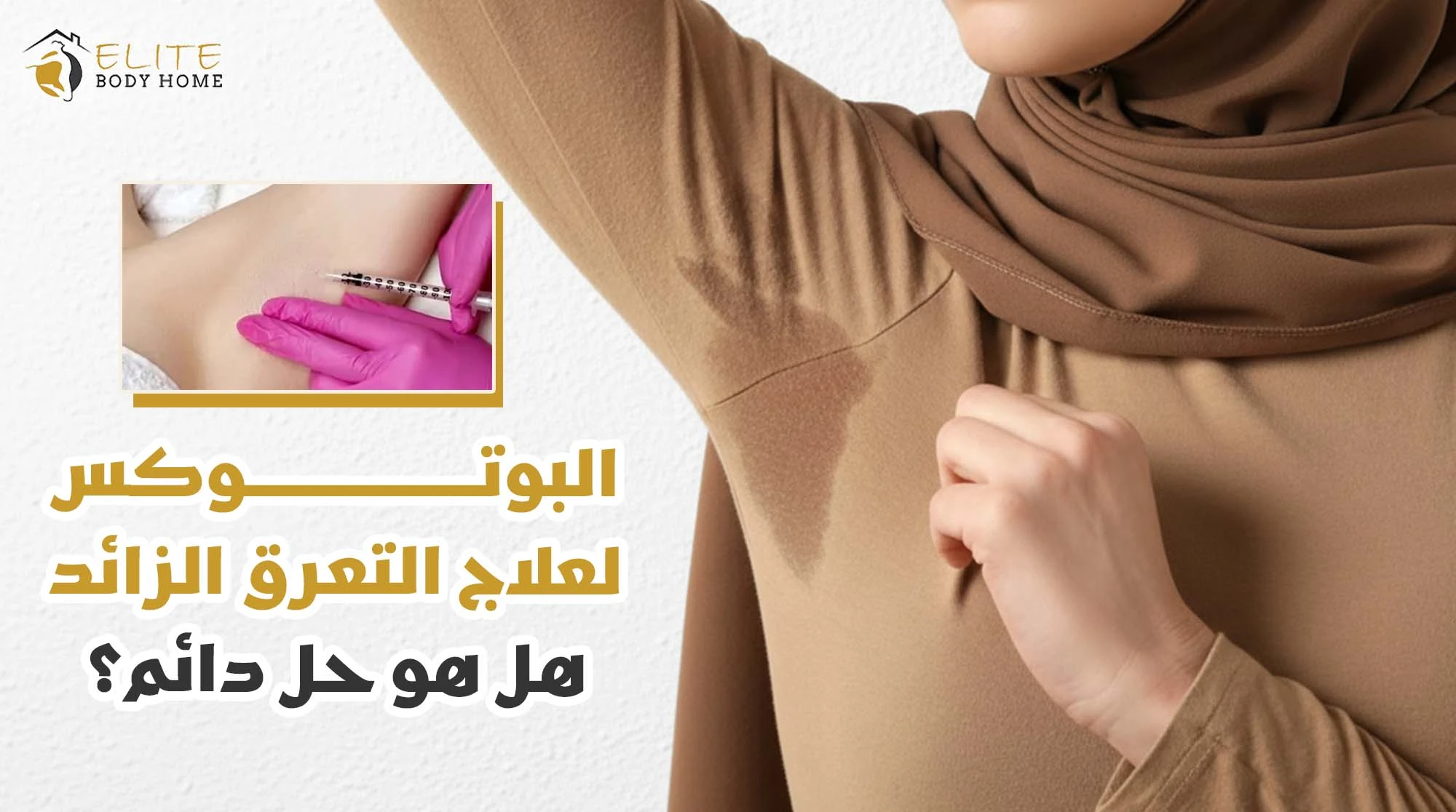
Suitable clothing, changing damp clothes and avoiding known triggers may reduce discomfort. An antiperspirant differs from a deodorant, and stronger preparations may be considered when needed. Medical options for selected cases include iontophoresis, topical or oral medicines, or botulinum toxin injections, depending on the area, condition and authorised use. Each has contraindications and possible side effects, and may require repeat treatment or follow-up.
Frequently asked questions
Does excessive sweating mean a serious illness?
Not necessarily, but a changed pattern or other symptoms should be assessed. Diagnosis depends on the full clinical picture, not sweating alone.
Can it be eliminated permanently?
Response and duration depend on the cause and treatment. Permanent resolution cannot be guaranteed, and follow-up or changes to the plan may be needed.
Are botulinum toxin injections suitable for everyone?
No. The condition, contraindications, product and proposed area must be assessed, with discussion of side effects and alternatives. Treating a secondary cause, if present, may take priority.