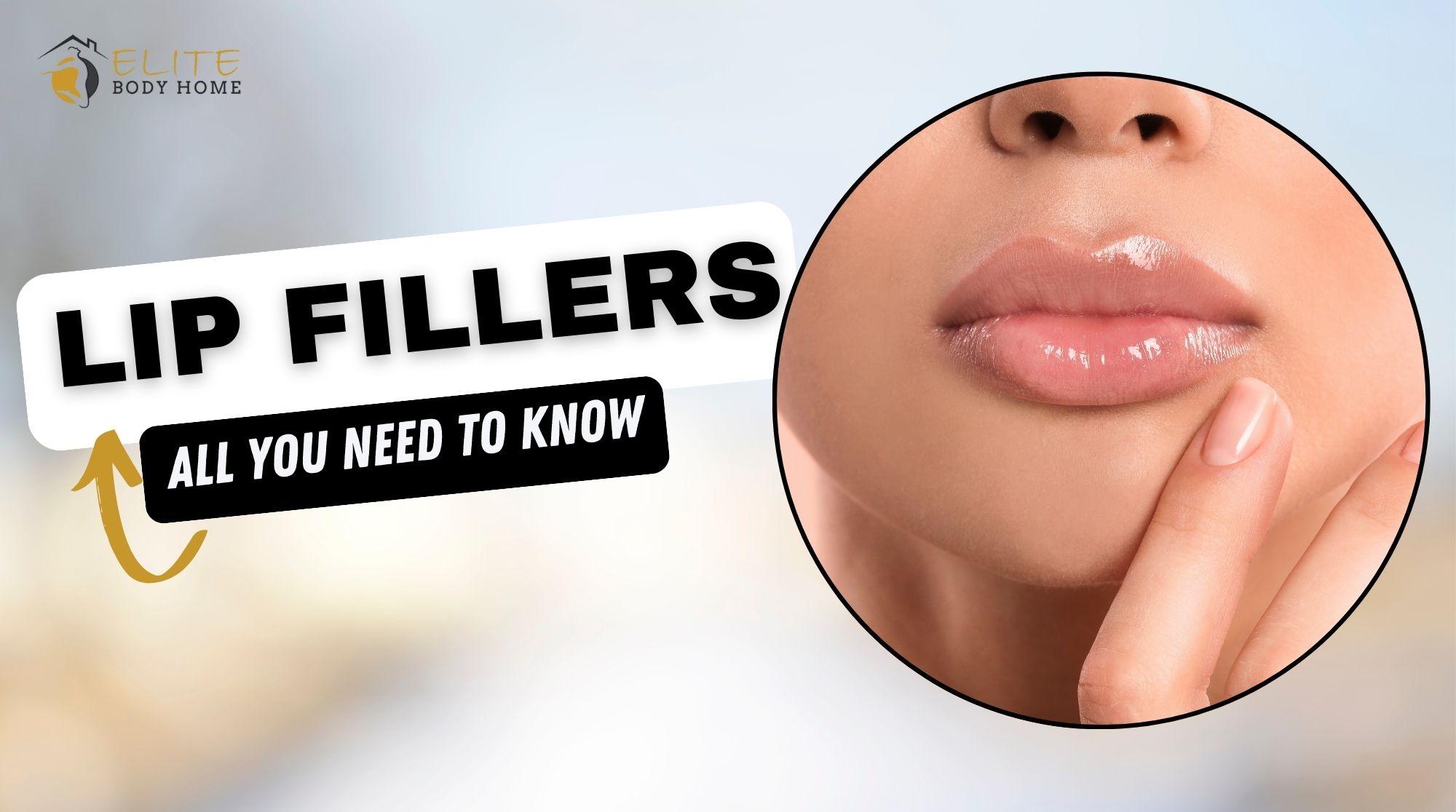
Filler Injections: Types, Procedure and Risks

What are dermal fillers, and why does the exact product matter?
Dermal fillers are injected into selected tissues for volume or certain wrinkles. Materials differ in their intended use, onset and persistence; some are absorbable while permanent products may be difficult to remove. Assessment must match the product to the concern and area, with discussion of risks, swelling, recovery and individual aftercare instructions.
In the world today, with beauty standards constantly changing, many people are seeking non-surgical treatments to achieve a youthful, radiant look. Dermal fillers—also known as filler injections or cosmetic fillers—have become one of the most popular solutions to revitalize facial features, smooth out wrinkles, and boost overall beauty without surgery.
Are you new to aesthetic treatments and looking for a touch-up? This guide will walk you through everything you need to know about filler injections—from types and advantages to expectations and safety tips.
What Are Dermal Fillers?
Fillers are injected into selected tissues to address volume or certain wrinkles. Products and indications differ; no product suits every area, and approval around the eyes or other sites must not be assumed.
As we age, we produce less collagen and elastin—leading to sagging skin and volume loss. Fillers counteract these effects, making the skin look plumper, firmer, and more youthful.
Types of Dermal Fillers
There are several types of cosmetic fillers available, each designed for different purposes:
1.Hyaluronic acid fillers resemble a water-binding substance in skin. Examples include Juvéderm, Restylane and Belotero. Effects and duration vary; 6–18 months is not universal.
2. Calcium Hydroxylapatite (CaHA): Found naturally in bones, CaHA fillers like Radiesse are gel-like and ideal for deep wrinkles or cheek contouring. They also boost collagen over time.
Best for: Selected folds or volume concerns according to the authorised indication, not every area.
3. Poly-L-lactic acid: Sculptra aims to stimulate collagen gradually. Response and duration vary; more than two years is not guaranteed.
Best for: Deep volume loss and overall skin texture improvement.
4. Polymethylmethacrylate (PMMA): Bellafill contains non-absorbable microspheres and is permanent for specific uses. Removal can be difficult or impossible; it is not a temporary, easily adjustable filler.
Top Benefits of Filler Injections
Here’s why dermal fillers are so popular for non-surgical facial rejuvenation:
- Timing and recovery: some materials give early volume while others act gradually; swelling and bruising may need recovery time.
- An injection procedure generally avoids surgical incisions but is still invasive medical treatment, may need local anaesthesia and carries risks including scarring from complications.
- Conservative planning may suit subtle goals, but a natural appearance or satisfaction cannot be guaranteed.
- Options vary by indication and person; no treatment or a different approach may be more suitable.
- Collagen Boost: Some fillers trigger natural collagen production, keeping your skin firm and youthful.
- Duration and adjustability vary. Not every material can be dissolved or removed easily.
Read More: Best Skin Lightening Treatments in Dubai Recommended by Dermatologists
What to Expect? The Filler Injection Process
Understanding the process can ease nerves and help you feel prepared:
Step 1: Consultation
A licensed professional will evaluate your face, goals, and medical history to recommend the best filler option.
Step 2: Preparation
The area is cleaned and numbed using a topical cream. Some fillers also include lidocaine for comfort.
Step 3: Injection
Using a fine needle or cannula, the filler is precisely injected. The process takes 15–60 minutes depending on treatment areas.
Step 4: Post-Treatment Care
Swelling and bruising may last days or longer. Request specific advice on activity, heat, makeup and compresses; 24–48 hours is not a universal rule.
Are Dermal Fillers Safe?
Injection is not risk-free even with a trained practitioner. Possible effects include:
- Swelling
- Redness
- Bruising
- Tenderness
- Itching
Read Also: FDA information on filler risks, including vascular blockage, tissue injury and vision problems
Who Should Avoid Fillers?
Suitability needs assessment, particularly with:
- You’re pregnant or breastfeeding
- You have active skin infections or cold sores
- You have bleeding disorders
- You’re allergic to filler ingredients
- You have unrealistic expectations
Discuss these factors and medicines such as anticoagulants. Seek urgent help for severe unusual pain, skin colour change or visual symptoms after injection.
Why Choose Elite Body Home Polyclinic?
Elite Body Home Polyclinic is your one-stop destination for health, wellness, and beauty. Whether you want glowing skin, a youthful smile, or personalized healthcare—we're here for you!
Discuss possible goals, limitations and risks before deciding.
Final Thoughts
Fillers may address selected volume or contour concerns in suitable people but cannot guarantee natural results or solve every concern.
As with any treatment, success depends on expert care and personalized planning. Ready to look and feel your best? Let Elite Body Home Polyclinic guide you.
FAQS
What do I need to know before getting fillers?
Before getting fillers, know your goals (volume, contour, or wrinkle softening), choose a licensed medical injector, and understand the type of filler being used (usually hyaluronic acid). Review risks—bruising, swelling, or rare complications. Bring reference photos, avoid filler pressure trends, and have realistic expectations—results enhance, not change your face.
How do I know what fillers I need?
A qualified injector will assess your face proportions, bone structure, and skin elasticity. You don’t choose fillers by product name—you choose based on the result you want: definition (jawline/chin), volume (cheeks/lips), or rejuvenation (under eyes). A consultation maps where fillers add balance and harmony, not just size.
Do and don’ts after face fillers?
Do: follow the specific skin-care, compress and sleeping instructions; do not press or massage unless instructed.
Don’t: return to strenuous exercise, heat or makeup before the recommended time. Discuss dental appointments; there is no universal timing rule for every product and patient.